When treatment stops here
The curve remains deep after leveling. Anterior intrusion does not behave as expected. You want to avoid unwanted premolar intrusion. The finishing occlusion does not settle.
This is an English translated archive, not live interpretation. The English AI-subtitled archive is now available. Reviewed version: expected around July 28-August 11, 2026 JST. Each archive release is accessible for 1 month from its release date.
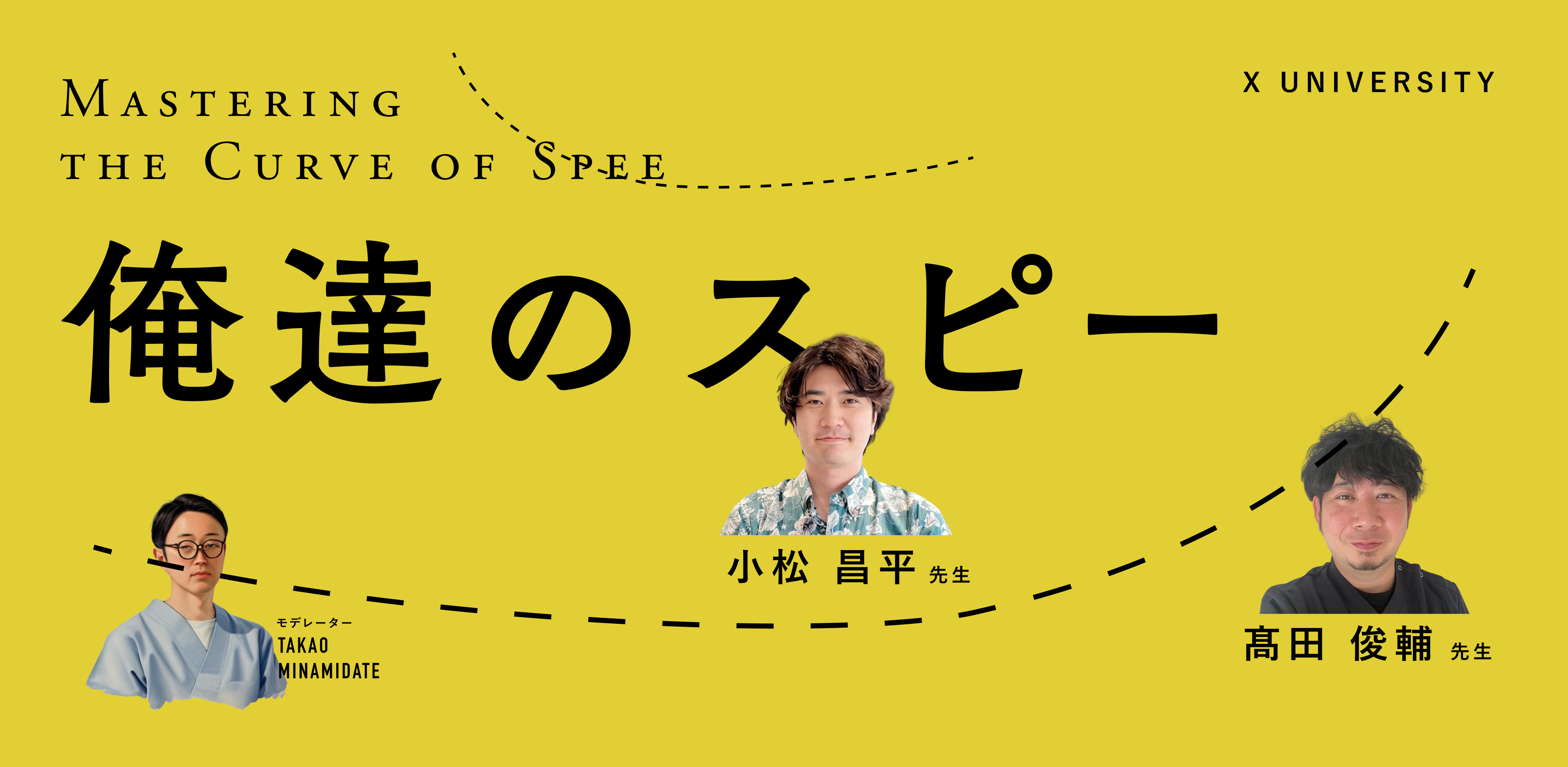
A clinical seminar from X UNIVERSITY on what to do when Spee correction stalls. We will organize classic approaches such as U-arch, slot selection, and stiffer wires, then focus on other powerful clinical options, including premolar extrusion, TAD-supported control, and aligner perspectives. The English edition is a translated archive, not live interpretation.
Payment is handled securely by Stripe.
We will connect anterior intrusion, premolar extrusion, TAD-supported control, U-arch, slot and wire-size decisions, and aligner perspectives into treatment sequencing.
The curve remains deep after leveling. Anterior intrusion does not behave as expected. You want to avoid unwanted premolar intrusion. The finishing occlusion does not settle.
We organize when to use anterior intrusion, premolar extrusion, TAD support, U-arch, slot or wire-size changes, and aligner planning.
The live Q&A will be in Japanese, but you can email questions in advance. Please do not send identifiable patient information or clinical images.
For orthodontic specialists, GP dentists using aligners, GP dentists using fixed appliances, and younger orthodontists in university departments.
Curve of Spee correction can sometimes happen naturally through leveling, just like the textbook suggests. But in other cases, treatment progresses and the curve remains deep. Anterior intrusion does not seem to work. You are unsure how to manage the premolars. The occlusion does not settle cleanly at finishing.
When that happens, treatment becomes heavy if you only have one strategy. U-arch, slot selection, and leveling with stiffer wires are classic, well-known methods. In this seminar, we organize those foundations, then go beyond them: powerful clinical options for when Spee correction gets stuck, and aligner-side thinking for the same problem.
Clinical viewpoints you can bring back to diagnosis, treatment planning, and sequencing.
Beyond anterior intrusion, we will add options such as premolar extrusion, TAD-supported control, and alternatives for cases where classic methods alone do not solve the problem.
We will organize classic methods such as U-arch, changing from .018 to .022 slot, and leveling with stiffer wires, then connect the next clinical decisions to the overall sequence.
We will share techniques that genuinely work in multi-bracket treatment, and also discuss aligner-side tips for Spee correction.
Dr. Takada brings the Haisai Curve and premolar extrusion perspective. Dr. Komatsu brings Kashiwa Reverse and efficient mechanics from early leveling. Dr. Minamidate connects the fixed-appliance discussion with aligner-side thinking.
Director, Yui Orthodontic Clinic
The “Haisai Curve”: an eye-opening method for Spee correction.
Dr. Takada graduated from Fukuoka Dental College and earned his PhD through its graduate school. He served in the Department of Orthodontics at Fukuoka Dental College as assistant professor, department office chief, and lecturer, and is certified by the Japanese Orthodontic Society. Since opening Yui Orthodontic Clinic in Urasoe, Okinawa in 2024, he has continued specialist orthodontic care; in this seminar he will share the Haisai Curve, integrating anterior intrusion and premolar extrusion into the treatment sequence.
Director, Kashiwanoha Campus Orthodontic Clinic
Kashiwa Reverse. Efficient mechanics that start from the leveling stage.
Dr. Komatsu graduated from Nihon University School of Dentistry at Matsudo, trained and worked in oral surgery at University of the Ryukyus Hospital and Chubu Tokushukai Hospital, then completed the orthodontics program at Nihon University Graduate School of Dentistry at Matsudo. After working in the orthodontic department of Nihon University Matsudo Dental Hospital, he became certified by the Japanese Orthodontic Society and has served as a part-time lecturer at Nihon University since 2024. He will organize labial fixed-appliance Spee correction and present the Kashiwa Reverse.
Director, Fukuoka MA Orthodontic Clinic / Moderator
Founder of X University. Key points for Spee correction with aligners.
Dr. Minamidate studied human sciences at the University of Tsukuba, completed a master’s degree at Musashino Art University, and graduated from Fukuoka Dental College before training in orthodontics at Kyushu University Hospital. He earned his PhD in dental orthodontics at Kyushu University and is certified by the European Aligner Society. As director of Fukuoka MA Orthodontic Clinic and founder of X University, he will moderate the discussion and connect fixed-appliance mechanics with aligner-based Spee correction.
A lecture-based structure followed by discussion and Q&A to sharpen clinical decision-making. The order and timing may be adjusted depending on the live discussion.
We align the clinical problems and the map for the evening.
Why Spee correction becomes difficult, and where treatment tends to become heavy.
How to avoid forcing the whole problem through anterior intrusion alone.
U-arch, slot, and wire-size decisions as a foundation for other clinical routes.
We will go deeper into clinical decision-making across labial, lingual, and aligner treatment.
Why is it difficult? Where does treatment tend to stall? We will organize the problems of leveling and occlusal design.
We will cover mandibular anterior intrusion with TADs, how to support the premolar region so it does not intrude, and how to use premolar extrusion clinically.
U-arch, changing from .018 to .022 slot, and leveling with stiffer wires are classic, well-known methods. This lecture starts from those foundations, then shares other powerful approaches and the clinical reasoning behind them.
We will share techniques that genuinely work in clinical multi-bracket treatment. Takao Minamidate will also cover key points and tips for Spee correction with aligners.
The goal is to translate useful techniques passed down in clinical practice into clear, usable clinical language. Q&A included.
If you have ever struggled with Spee correction, whether in wires or aligners, this archive should land clinically.
The live seminar is Japanese-only. The English version is provided as a translated archive.
The live session will be delivered in Japanese only. There will be no simultaneous English interpretation during the live event.
The English archive is produced for purchasers. There is no minimum-attendee threshold. The English AI-subtitled archive is now available, followed by a reviewed English translation by an orthodontic translation specialist around July 28-August 11, 2026 JST. Each archive release will remain accessible for 1 month from its release date.
Single price. Secure payment is handled by Stripe.
This is for the English-translated archive, not a live English interpretation ticket. Archive access details will be sent to the email address used at checkout. Refunds are generally not provided.
Enter the email address used at Stripe checkout. The video is the original Japanese lecture with English AI subtitles.
English subtitles are shown in the black caption bar. Use the yellow button to show or hide them.
Please read this before registering from outside Japan.
Yes. For the Japanese ticket, live participation and archive access are bundled. For the English ticket, you are purchasing the translated archive edition. Archive access is planned for 1 month from each release date.
No. The live session is Japanese-only, and there will be no simultaneous English interpretation.
No. There is no minimum-attendee threshold. The English archive will be produced for purchasers.
The English AI-subtitled archive is now available. A reviewed English translation by an orthodontic translation specialist is planned around July 28-August 11, 2026 JST.
You can send questions by email. The live Q&A itself will be conducted in Japanese.
No. Archive access is managed by the email address used at Stripe checkout. The official LINE is optional and is mainly for reminders and future X University updates.
Yes. For paid registrations, use the receipt button in your purchase-confirmation email. If you cannot find the email, enter your checkout email on the receipt delivery page; the link is sent only to that address. No payment receipt is issued for a zero-cost invitation. Reply to the purchase email only if you need a specific billing name.
Refunds are generally not provided. If there is an obvious payment issue such as duplicate checkout, please contact us by email.
Yes. The translated archive is planned to remain accessible for 1 month from each release date.
No. Archive access is for the purchaser only and is tied to the email address used at checkout.
This English ticket is for the translated archive edition. Payment is handled by Stripe. Your checkout email will be used for archive access and follow-up announcements.
LINE registration alone is not an event registration or archive access credential. Important archive messages will be sent by email.